The way businesses connect with customers has changed dramatically in the digital age. Today, people use search engines, social media, websites, videos, and online marketplaces to discover products and services. Because of this shift, having a strong online presence has become an important part of building and growing a business.
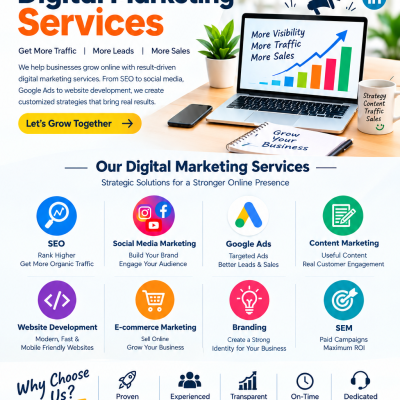
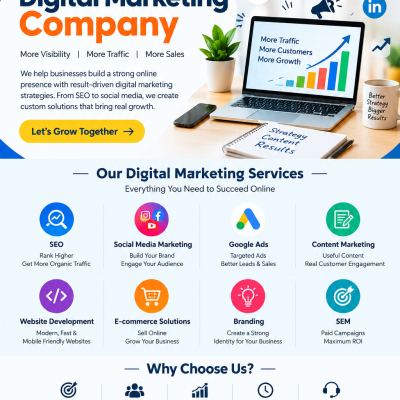
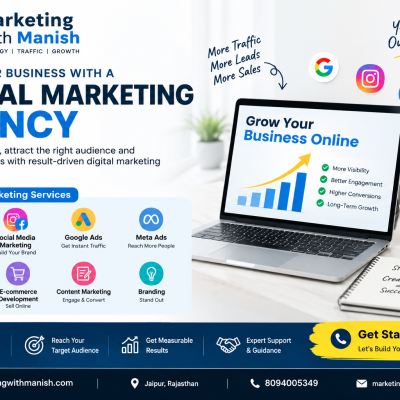
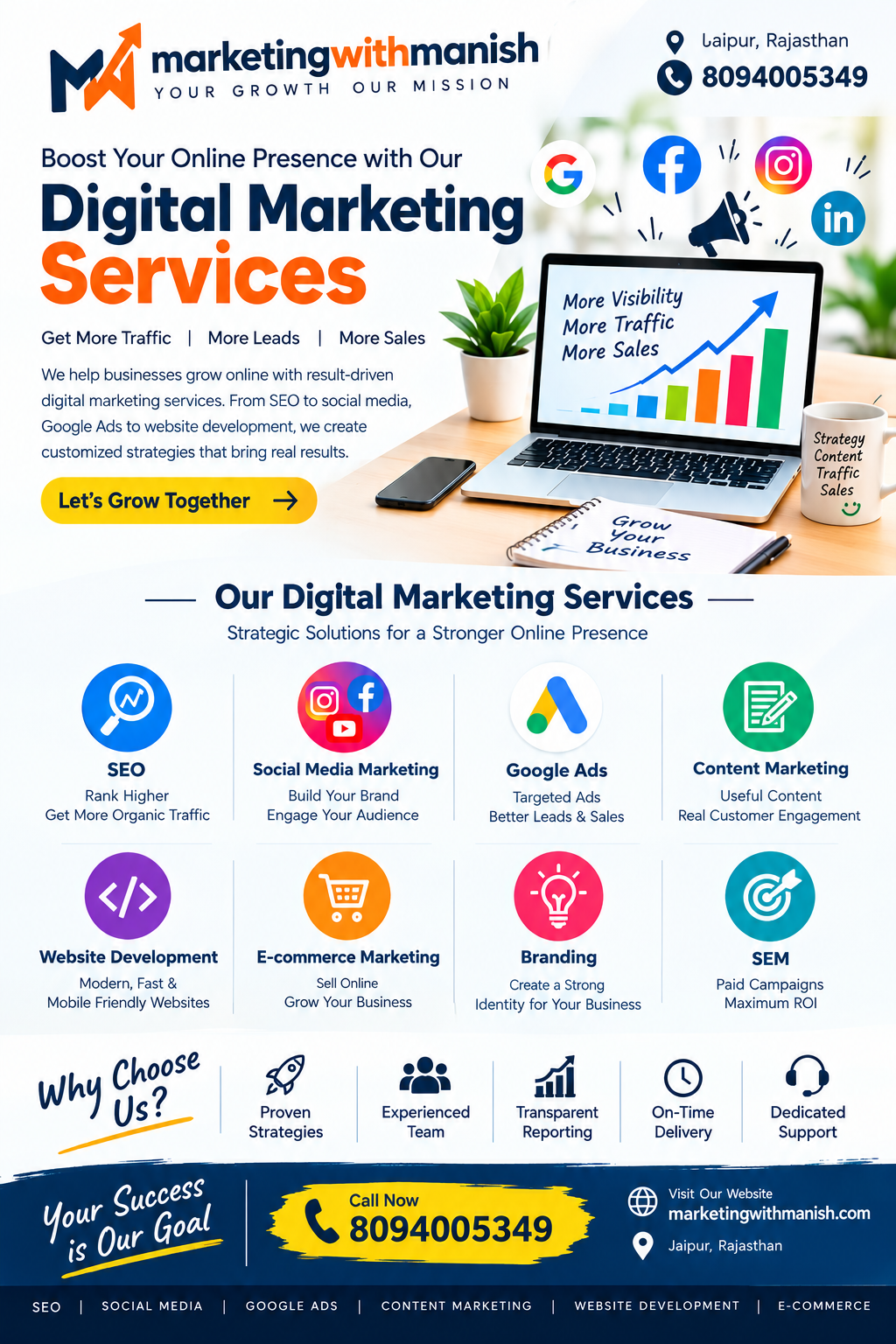
Digital marketing services help businesses reach potential customers through different online channels. From SEO and social media marketing to Google Ads, content marketing, and website development, digital marketing provides businesses with multiple ways to increase visibility, generate leads, and build lasting relationships with their audience.
Whether you are a startup, local business, e-commerce store, or established company, a well-planned digital marketing strategy can help you compete in an increasingly connected marketplace.
What Are Digital Marketing Services?
Digital marketing services are professional marketing solutions designed to promote a business, product, or service through digital platforms. Unlike traditional marketing, digital campaigns can be targeted to specific audiences and monitored using measurable performance data.
A digital marketing strategy may include:
- Search Engine Optimization (SEO)
- Social Media Marketing
- Google Ads and PPC advertising
- Content Marketing
- Website Development
- E-commerce Marketing
- Email Marketing
- Online Branding
- Search Engine Marketing (SEM)
- Analytics and performance reporting
Businesses can select individual services or combine several channels depending on their goals, industry, audience, and budget.
Why Are Digital Marketing Services Important?
A business can have an excellent product or service, but potential customers need to discover it first. Digital marketing helps businesses improve their online visibility and communicate with people who are actively looking for solutions.
Improve Online Visibility
SEO helps businesses optimize their websites and content for relevant search queries. A website that is technically sound and provides useful information has more opportunities to appear in organic search results.
Social media and content marketing can also increase brand exposure by putting useful and engaging content in front of potential customers.
Reach a Targeted Audience
One of the major advantages of online marketing is audience targeting. Paid advertising platforms can allow businesses to target audiences based on factors such as location, interests, demographics, and search intent.
For example, a local service provider can focus campaigns on customers within its target service area rather than advertising to an unrelated audience.
Generate Leads and Customers
Digital marketing is not only about gaining website visitors. The ultimate objective for many businesses is to generate relevant leads and sales.
A combination of SEO, paid advertising, landing pages, compelling content, and clear calls to action can guide visitors toward contacting a business, requesting information, or making a purchase.
Track Campaign Performance
Digital platforms provide valuable performance information. Businesses can monitor website traffic, clicks, impressions, engagement, leads, conversions, and advertising costs.
This data allows marketers to identify what is working and make informed adjustments to campaigns.
Major Types of Digital Marketing Services
Different marketing channels serve different purposes. Understanding each service can help businesses decide where to invest their time and budget.
Search Engine Optimization (SEO)
SEO focuses on improving a website’s visibility in organic search results. It includes activities such as keyword research, technical optimization, on-page SEO, content development, internal linking, image optimization, and website performance improvements.
A good SEO strategy focuses on providing value to users rather than simply inserting keywords into a webpage.
For long-term growth, businesses can create helpful content that answers common questions and addresses the needs of their target audience.
Social Media Marketing
Social media platforms give businesses an opportunity to interact directly with their audience. Social media marketing can include content planning, creative design, video content, audience engagement, community management, and paid social advertising.
Consistent social media activity can help businesses communicate their brand message and keep their audience informed about products, services, offers, and company updates.
Google Ads and PPC Marketing
Pay-per-click advertising allows businesses to display advertisements to users who may be interested in their products or services. Search campaigns can reach people when they are actively searching for specific solutions.
PPC campaigns require careful keyword selection, ad copy, landing page optimization, budget management, and performance monitoring.
Content Marketing
Content marketing involves creating useful and relevant content for a specific audience. Blog posts, articles, guides, videos, infographics, case studies, and social media posts can all become part of a content strategy.
High-quality content can support SEO, educate customers, establish expertise, and help users make informed purchasing decisions.
Website Development
A website is often the foundation of a company’s digital presence. Professional website development focuses on creating websites that are responsive, user-friendly, secure, fast, and aligned with business objectives.
Mobile-friendly design is particularly important because many users access websites through smartphones and tablets.
E-commerce Marketing
For online stores, digital marketing can help attract visitors and encourage them to complete purchases. E-commerce marketing may involve SEO, product-page optimization, social media campaigns, Google Ads, content marketing, remarketing, and conversion optimization.
A successful e-commerce strategy considers the entire customer journey, from product discovery to checkout.
How to Choose the Right Digital Marketing Services
Not every business needs every marketing channel. The right strategy depends on the company’s current position and objectives.
Define Your Business Goals
Start by identifying what you want to achieve. Your goal could be increasing website traffic, generating leads, improving local visibility, increasing online sales, or building brand awareness.
Clear goals make it easier to select appropriate marketing channels.
Understand Your Target Audience
Research your potential customers and understand what they need, what problems they face, and where they spend time online.
Knowing your audience helps create more relevant content and advertising campaigns.
Focus on Quality Content
Regardless of the platform, useful content remains an important part of digital marketing. Instead of creating content only for search engines, businesses should focus on answering customer questions and providing genuine value.
Monitor Results Regularly
Digital marketing should be treated as an ongoing process. Regularly reviewing analytics and campaign data can help identify opportunities for improvement.
Businesses can test different content formats, advertisements, keywords, landing pages, and audience segments to understand what generates better engagement or conversions.
Benefits of Professional Digital Marketing Services
Working with digital marketing professionals can provide businesses with access to specialized skills and structured strategies.
Some potential benefits include:
Expertise: Professionals may have experience across multiple digital marketing channels.
Time efficiency: Businesses can focus on their core operations while marketing activities are managed systematically.
Better targeting: Campaigns can be designed around specific audiences and business objectives.
Measurable performance: Digital platforms provide data that can help evaluate marketing activities.
Scalable strategies: Campaigns can be adjusted as business requirements and budgets change.
Consistent branding: Coordinating websites, social media, advertising, and content can create a more consistent online identity.
Digital Marketing for Small Businesses
Small and local businesses can benefit from focused digital marketing strategies. Instead of trying to be present everywhere, a business can concentrate on the platforms where its potential customers are most active.
For example, a local business may combine local SEO, Google Business Profile optimization, social media marketing, a professional website, and targeted advertising.
Creating location-specific content and answering frequently asked customer questions can also help improve online visibility.
The Future of Digital Marketing
Digital marketing continues to evolve as technology and customer behavior change. Artificial intelligence, automation, video content, personalization, analytics, and new advertising formats are influencing the way brands communicate online.
However, successful marketing still depends on understanding customers. Technology can make campaigns more efficient, but businesses need clear messaging, useful content, trustworthy branding, and a positive customer experience.
The future of digital marketing will likely involve a combination of data-driven decision-making, creative content, automation, and customer-focused strategies.
Conclusion
Digital marketing services provide businesses with a practical way to build online visibility, reach relevant audiences, generate leads, and support business growth. SEO, social media marketing, Google Ads, content marketing, website development, and e-commerce marketing can work together as part of a broader digital strategy.
Businesses looking to strengthen their online presence can explore professional digital marketing solutions and choose services that align with their goals and target audience.
For more information about digital marketing solutions, SEO, website development, social media marketing, and other online services, visit Marketing With Manish.